
Space engineering
SpaceWire - CCSDS packet transfer protocol
Foreword
This Standard is one of the series of ECSS Standards intended to be applied together for the management, engineering and product assurance in space projects and applications. ECSS is a cooperative effort of the European Space Agency, national space agencies and European industry associations for the purpose of developing and maintaining common standards. Requirements in this Standard are defined in terms of what shall be accomplished, rather than in terms of how to organize and perform the necessary work. This allows existing organizational structures and methods to be applied where they are effective, and for the structures and methods to evolve as necessary without rewriting the standards.
This Standard has been prepared by the ECSS-E-ST-50-53 Working Group, reviewed by the ECSS Executive Secretariat and approved by the ECSS Technical Authority.
Disclaimer
ECSS does not provide any warranty whatsoever, whether expressed, implied, or statutory, including, but not limited to, any warranty of merchantability or fitness for a particular purpose or any warranty that the contents of the item are error-free. In no respect shall ECSS incur any liability for any damages, including, but not limited to, direct, indirect, special, or consequential damages arising out of, resulting from, or in any way connected to the use of this Standard, whether or not based upon warranty, contract, tort, or otherwise; whether or not injury was sustained by persons or property or otherwise; and whether or not loss was sustained from, or arose out of, the results of, the item, or any services that may be provided by ECSS.
Published by: ESA Requirements and Standards Division
ESTEC, ,
2200 AG Noordwijk
The
Copyright: 2010 © by the European Space Agency for the members of ECSS
Change log
|
ECSS-E-ST-50-53A
|
Never issued
|
|
ECSS-E-ST-50-53B
|
Never issued
|
|
ECSS-E-ST-50-53C
|
First issue
|
Scope
There is a number of communication protocols that can be used in conjunction with the SpaceWire Standard (ECSS-E-ST-50-12), to provide a comprehensive set of services for onboard user applications. To distinguish between the various protocols a protocol identifier is used, as specified in ECSS-E-ST-50-51.
This Standard specifies the CCSDS packet transfer protocol, which is one of these protocols that works over SpaceWire.
The aim of the CCSDS Packet Transfer Protocol is to transfer CCSDS Packets across a SpaceWire network. It does this by encapsulating the CCSDS Packet in a SpaceWire packet, transferring it across the SpaceWire network and then extracting the CCSDS Packet at the target.
This standard may be tailored for the specific characteristic and constrains of a space project in conformance with ECSS-S-ST-00.
Normative references
The following normative documents contain provisions which, through reference in this text, constitute provisions of this ECSS Standard. For dated references, subsequent amendments to, or revision of any of these publications do not apply. However, parties to agreements based on this ECSS Standard are encouraged to investigate the possibility of applying the more recent editions of the normative documents indicated below. For undated references, the latest edition of the publication referred to applies.
|
ECSS-S-ST-00-01
|
ECSS system - Glossary of terms
| |
|
ECSS-E-ST-50-12
|
Space engineering - SpaceWire - Links, nodes, routers and networks
| |
|
ECSS-E-ST-50-51
|
Space engineering - SpaceWire protocol identification
| |
|
CCSDS 133.0-B-1
|
Space Packet Protocol, Blue Book
| |
Terms, definitions and abbreviated terms
Terms defined in other standards
For the purpose of this Standard, the terms and definitions from ECSS-S-ST-00-01 and ECSS-E-ST-50-51 apply.
Terms specific to the present standard
None.
Abbreviated terms
The following abbreviations are defined and used within this standard:
|
Abbreviation
|
Meaning
|
|
CCSDS
|
Consultative Committee for Space Data Systems
|
|
EEP
|
error end of packet
|
|
EOP
|
end of packet
|
|
SpW
|
SpaceWire
|
Conventions
In this document hexadecimal numbers are written with the prefix 0x, for example 0x34 and 0xDF15.
Binary numbers are written with the prefix 0b, for example 0b01001100 and 0b01.
Decimal numbers have no prefix.
Principles
Purpose
The CCSDS Packet Transfer Protocol has been designed to encapsulate a CCSDS Space Packet into a SpaceWire packet, transfer it from an initiator to a target across a SpaceWire network, extract it from the SpaceWire packet and pass it to a target user application. This protocol does not provide any means for ensuring delivery of the packet nor is it responsible for the contents of the packet being a CCSDS Space Packet.
The CCSDS Space Packet Protocol is defined in the following document:
CCSDS 133.0-B-1 Space Packet Protocol. Blue Book. Issue 1. September 2003 or a later issue
Figure 41 illustrates the location of the CCSDS Space Packet transfer Protocol in a typical onboard protocol stack. The CCSDS Space Packet transfer Protocol provides a unidirectional data transfer service from a single source user application to a single destination user application through a SpaceWire network.
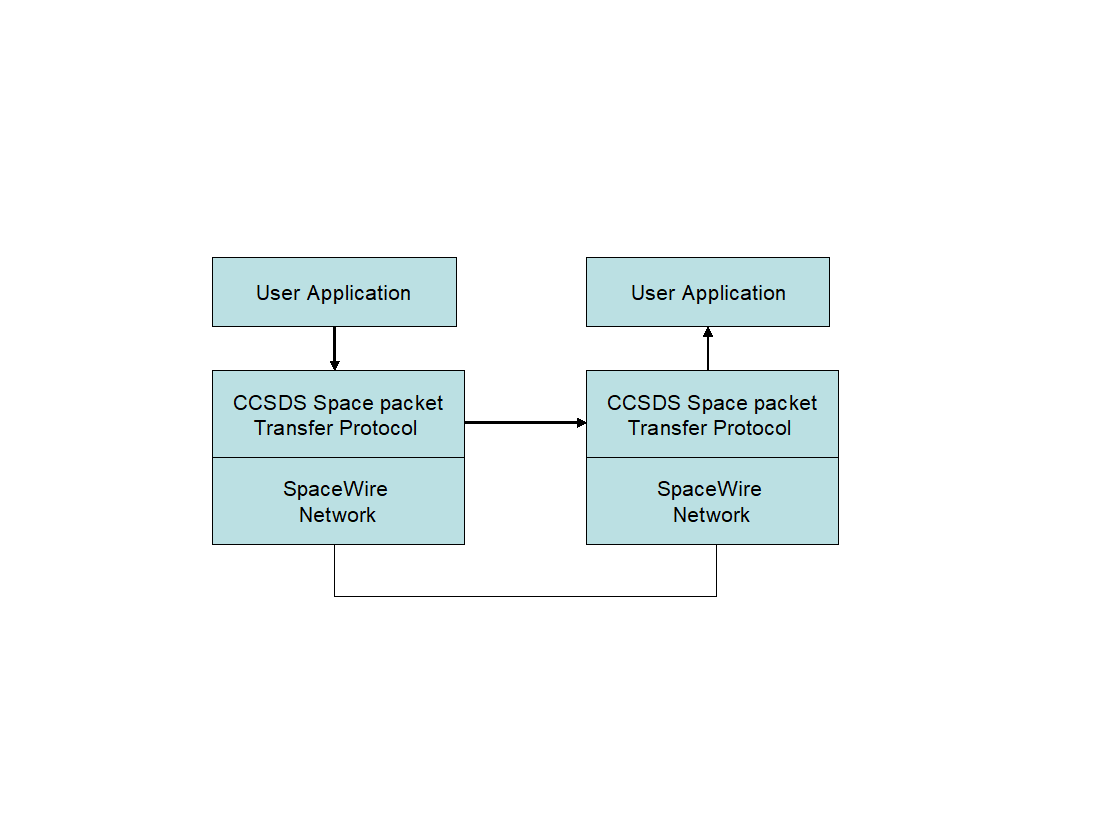 Figure 41: Protocol configuration
Protocol features
The CCSDS Space Packet transfer Protocol provides the capability to transfer CCSDS Space Packets between onboard users of a SpaceWire network. The CCSDS space packets may be of variable length or fixed size at the discretion of the user and may be submitted for transmission at variable intervals. The composition of the CCSDS space packet is under the responsibility of the user application and is not checked by the CCSDS space packet transfer protocol.
Services
The CCSDS Space Packet Transfer Protocol provides users with data transfer services. The point at which a service is provided by a protocol entity to a user is called a Service Access Point. A Service Access Point of the Space Packet Transfer Protocol is identified by a SpaceWire address and each service user is also identified by a SpaceWire Address.
Service data units submitted to a Service Access Point are processed in the order of submission.
Implementations may be required to perform flow control at a Service Access Point between the service user and the service provider. However, this standard does not recommend a scheme for flow control between the user and the provider.
The followings features are offered by the data transfer service defined in this Standard:
Unidirectional (one way) data transfer service.
Asynchronous Service. There are no predefined timing rules for the transfer of service data units supplied by the service user. The user may request data transfer at any time it desires, but there may be restrictions imposed by the provider on the data generation rate.
Unconfirmed Service: the sending user does not receive confirmation from the receiving end that data has been received.
Incomplete Services. The services do not guarantee completeness, nor do they provide a retransmission mechanism.
SDU format: the service does not check the format of the submitted CCSDS Space packet.
Non sequence Preserving Service. The sequence of service data units supplied by the sending user may not be preserved through the underlying network
The end-to-end quality-of-service provided to service users is the one that is provided by the underlying SpaceWire network. The Space Packet Transfer Protocol does not provide any mechanisms for guaranteeing a particular quality-of-service; it is the responsibility of implementing organizations to ensure that the end-to-end performance of a particular service instance meets the requirements of its users.
Sequence preservation of packets in a SpaceWire network is dependent on the underlying network topology and configuration. Topologies and configurations which allow only a single route from the source to the destination, i.e. configurations that are not using group adaptive routing, are sequence preserving.
Guide to this document
Clause 4 presents the purpose, protocol features and an overview of the services the CCSDS packet transfer protocol offers.
Clause 5.1 defines the service parameters.
Clause 5.2 specifies the service primitives provided by the protocol.
Clause 5.3 defines the protocol fields used in the CCSDS packet transfer protocol packets.
Clause 5.4 specifies the format of the packets used by the CCSDS packet transfer protocol.
Clause 5.5 specified the action of the CCSDS packet transfer protocol.
Annex A lists the managed parameters associated with this protocol.
Requirements
Service parameters
CCSDS packet
The CCSDS packet parameter, intended as the service data unit transferred by the CCSDS packet transfer service, shall be the CCSDS Space Packet as defined in CCSDS 133.0-B-1 Space Packet Protocol, Blue Book, Issue 1, September 2003.
Packet length
The value of the packet length shall be equal to at least 7 and at most 65542 octets.
Individual project organizations may establish the maximum length for a particular mission.
The length parameter defines the length of the Data Unit submitted by the user.
Status code
The Status code parameter shall be used to indicate the validity of the packet to the receiving service user.
The Status code parameter shall take one of the following values:
- 0x00 indicates that the packet is ok
- 0x01 indicates packet arrived terminated by EEP
- 0x02 indicates reserved field was non-zero
Target SpaceWire Address
The Target SpaceWire Address parameter shall be used to define the path to the Target when SpaceWire path addressing is being used.
Target Logical Address
The Target Logical Address parameter shall be used to define the logical address of the Target that is to receive the CCSDS packet.
User Application Value
The User Application Value shall be an 8-bit value which is transferred along with the CCSDS packet to the Target.
Its value and use is user specific.
Service primitives
CCSDS Packet Transfer Service
The service primitives associated with this service shall be the following
- CCSDS_PACKET_SEND.request,
- CCSDS_PACKET_RECEIVE.indication.
CCSDS_PACKET_SEND.request
Function
At the initiator, the CCSDS Packet Transfer service user shall pass a CCSDS_PACKET_SEND.request primitive to the service provider to request that a CCSDS Packet is transferred to the user at the target across the SpaceWire network.
Semantics
The CCSDS_PACKET.request primitive shall provide the following parameters:
- CCSDS_PACKET_SEND.request (CCSDS Packet, Packet Length, Target SpaceWire Address, Target Logical Address, User Application Value).
When Generated
The CCSDS_PACKET_SEND.request primitive shall be passed to the service provider to request it to send the CCSDS Packet.
Effect On Receipt
Receipt of the CCSDS_PACKET_SEND.request primitive shall cause the service provider to transfer the CCSDS Packet.
Additional Comments
The CCSDS_PACKET_SEND.request primitive shall be used to transfer CCSDS Packets across the SpaceWire network along the route defined by the Target SpaceWire Address and Target Logical Address parameters.
CCSDS_PACKET_RECEIVED.indication
Function
At the target, the service provider shall pass a CCSDS_PACKET_RECEIVED.indication to the CCSDS Packet Service user to deliver a Packet.
Semantics
The CCSDS_PACKET_RECEIVED.indication primitive shall provide parameters as follows:
- CCSDS_PACKET_RECEIVED.indication (CCSDS Packet, User Application Value, Status)
If the packet arrived is terminated by EEP or the Reserved field is non-zero the CCSDS Packet and the User Application Value shall be null.
The Status parameter shall be one of the following codes: - 0x00 indicates that the packet arrived with no known error,
- 0x01 indicates that the packet arrived terminated by EEP,
- 0x02 indicates that the Reserved field was non-zero.
When Generated
The CCSDS_PACKET_RECEIVED.indication primitive shall be passed from the service provider to the CCSDS Packet Service user at the target to deliver a CCSDS Packet.
Effect On Receipt
The effect of receipt of the CCSDS_PACKET_RECEIVED.indication primitive by the CCSDS Packet Service user shall be defined by the user.
Additional Comments
The CCSDS_PACKET_RECEIVED.indication primitive shall be used to deliver CCSDS Packets to the CCSDS Packet Service user at the target.
CCSDS Packet Transfer Protocol fields
Target SpaceWire Address field
The Target SpaceWire Address field shall comprise zero or more data characters forming the SpaceWire address which is used to route the CCSDS Packet Transfer Protocol packet to the target.
The Target SpaceWire Address is stripped off by the time the packet reaches the target.
SpaceWire path addressing and regional addressing may be used.
The Target SpaceWire Address field shall not be used when a single logical address is being used for routing the CCSDS Packet Transfer Protocol packet to the target.
In this case the CCSDS Packet Transfer Protocol packet is routed to the target by the Target Logical Address contained in the Target Logical Address field.
Target Logical Address field
Target Logical Address field shall be an 8-bit field that contains a logical address of the target.
- 1 The Target Logical Address field is normally set to a logical address recognised by the target.
- 2 If the target does not have a specific logical address then the Target Logical Address field can be set to the default value 254 (0xFE).
- 3 A target can have more than one logical address.
Protocol Identifier field
The Protocol Identifier field shall be an 8-bit field that contains the Protocol Identifier.
The Protocol Identifier field shall be set to the value 2 (0x02) which is the Protocol Identifier for the CCSDS Packet Encapsulation Protocol.
Reserved field
The Reserved shall be an 8-bit field that is set to 0x00.
User Application field
The User Application field shall be an 8-bit field which is transferred along with the CCSDS packet to the Target.
- 1 Its value and use is user specific.
- 2 If for example the target supports virtual channels, the User Application field can be set to a virtual channel number.
Packet field
The CCSDS Packet field shall be a variable length field that contains the CCSDS Packet.
The first byte of the CCSDS Packet field shall be the first byte of the CCSDS Packet.
The byte order of the CCSDS Packet field shall be the same as the CCSDS Packet.
CCSDS Packet Transfer Protocol format
Fields
The CCSDS Packet Transfer Protocol packet shall contain the fields shown in Figure 51.
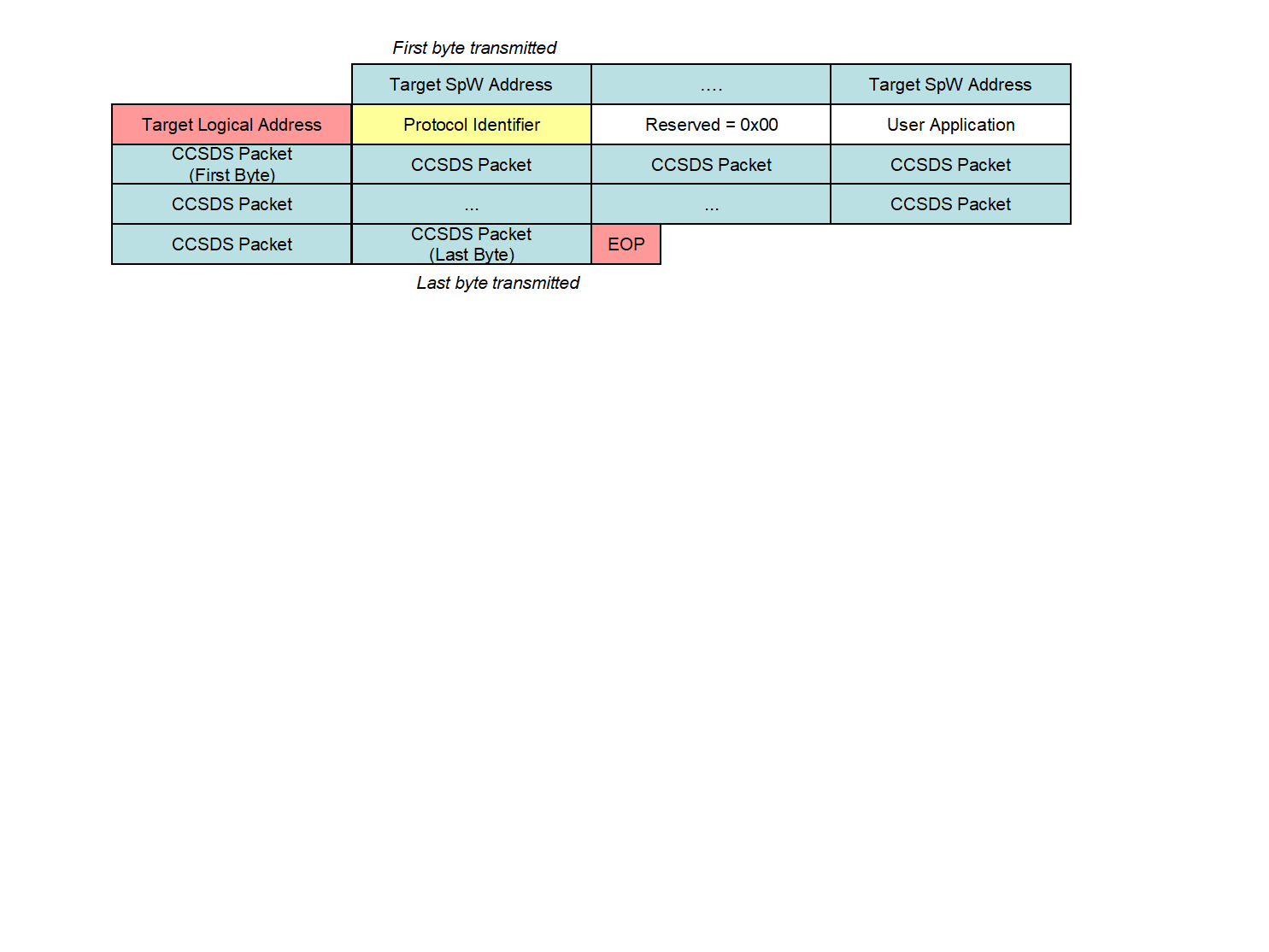 Figure 51: Encapsulated CCSDS Packet format
Target SpaceWire Address field
The Target SpaceWire Address field shall be as defined in clause 5.3.1.
Target Logical Address field
The Target Logical Address field shall be as defined in clause 5.3.2.
Protocol Identifier field
The Protocol Identifier field shall be as defined in clause 5.3.3.
Reserved field
The Reserved field format shall be as defined in clause 5.3.4.
User Application field
The User Application field format shall be as defined in clause 5.3.5.
CCSDS Packet field
The CCSDS Packet field format shall be as defined in clause 5.3.6.
EOP character
The end of the CCSDS Packet Transfer Protocol packet shall be indicated by an EOP character.
CCSDS Packet Transfer Protocol Action
Overview
The normal sequence of actions for a CCSDS Packet Transfer Protocol packet transfer is illustrated in Figure 52.
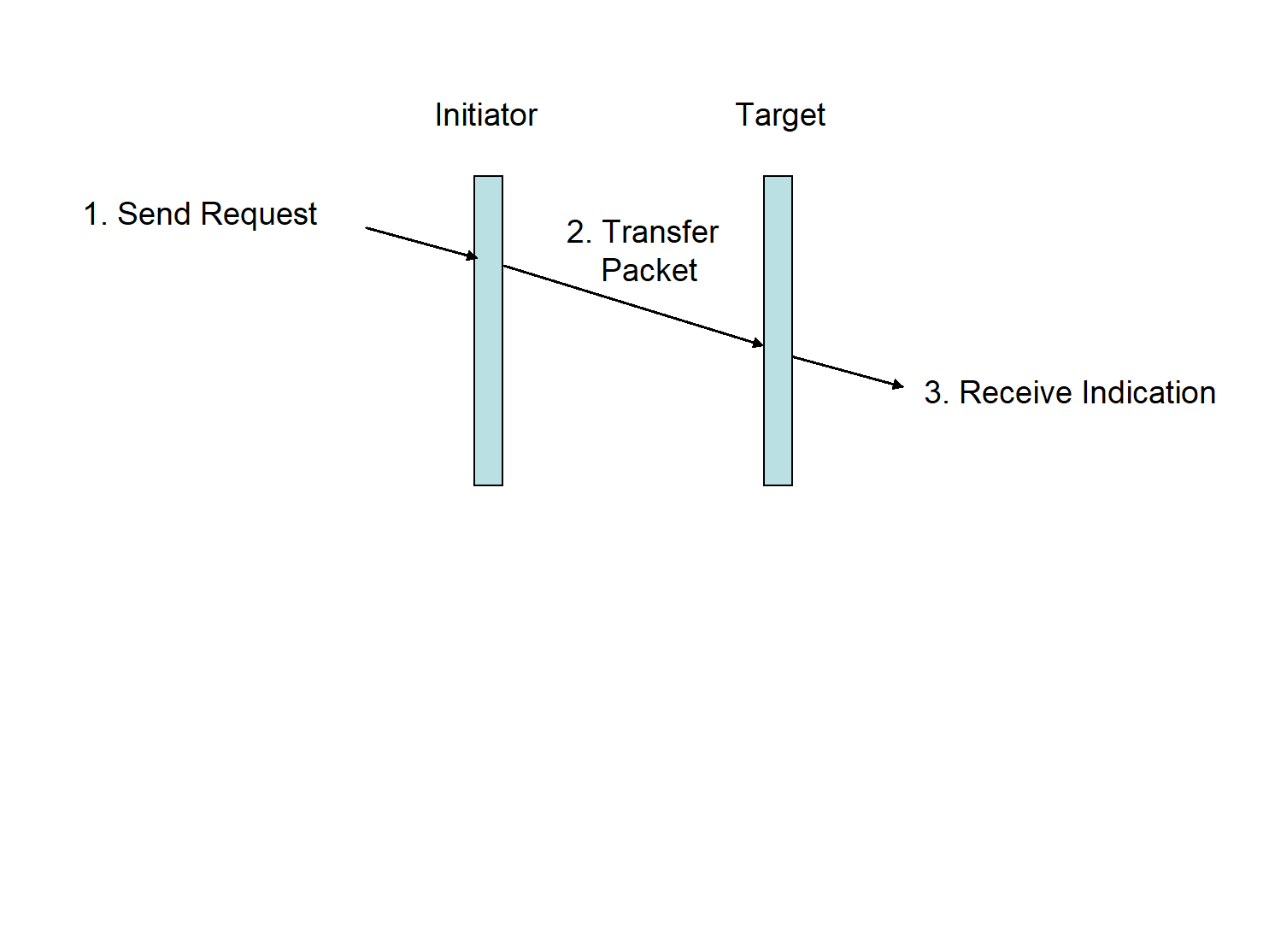 Figure 52: CCSDS Packet Transfer Protocol Packet Transfer
Send request
The CCSDS Packet Transfer Protocol packet transfer shall begin when an initiator user application requests to send a CCSDS Packet Transfer Protocol packet (Send Request).
The initiator user application shall pass the following information to the initiator:
- Target SpaceWire Address
- Target Logical Address
- CCSDS Packet
- Packet Length
- User Application Value If the Packet Length of the CCSDS Packet is greater than the maximum acceptable length, the following shall be done:
- Reject the Send Request
- Inform the initiator user application.
Transfer packet
In response to the send request the initiator shall encapsulate the CCSSDS Space Packet into a SpaceWire packet as described in clause 5.4 and send it across the SpaceWire network to the target (Transfer Packet).
The Target SpaceWire Address and Target Logical Address are used to route the command packet to the target.
Receive indication
Protocol identifier
When a SpaceWire packet is received at the target and the Protocol Identifier field is 0x02 the packet shall be regarded as a CCSDS Packet Transfer Protocol packet.
Reserved field zero
If the CCSDS Packet Transfer Protocol packet arrives at the target with the Reserved field set to 0x00 and is terminated by an EOP, the CCSDS Packet shall be extracted from the SpaceWire packet and passed to the target user application.
If the CCSDS Packet Transfer Protocol packet arrives at the target with the Reserved field set to 0x00 and is terminated by an EOP, the value of the User Application field shall be passed to the target user application.
Reserved field not zero
If the CCSDS Packet Transfer Protocol packet arrives at the target with the Reserved field set to a non-zero value and is terminated by an EOP the CCSDS Packet Transfer Protocol packet shall be discarded,
If the CCSDS Packet Transfer Protocol packet arrives at the target with the Reserved field set to a non-zero value and is terminated by an EOP, the target user application should be informed that an invalid CCSDS Packet Transfer Protocol packet has been received.
Error End of Packet
If the CCSDS Packet Transfer Protocol packet arrives at the target terminated by an EEP, the CCSDS Packet Transfer Protocol packet shall be discarded.
If the CCSDS Packet Transfer Protocol packet arrives at the target terminated by an EEP, the target user application should be informed that an invalid CCSDS Packet Transfer Protocol packet has been received.
ANNEX(informative)Managed parameters
In order to provide an optimised implementation, some parameters associated with the CCSDS Packet Transfer service are handled by management, rather than by inline communications protocol. The managed parameters are those which tend to be static for long periods of time, and whose change generally signifies a major reconfiguration of the service provider associated with a particular mission. Through the use of a management system, management conveys the required information to the service provider.
The managed parameters used for the CCSDS Packet Transfer Service are listed in Table A-1. These parameters are defined in an abstract sense, and are not intended to imply any particular implementation of a management system.
The value of these parameters are defined for a specific mission implementation.
Table: Managed parameters
|
Managed parameter
|
Allowed value
|
|
Minimum CCSDS Space packet length (bytes)
|
Integer
|
|
Maximum CCSDS Space packet size (bytes)
|
Integer
|
Bibliography
|
ECSS-ST-S-00
|
ECSS system - Description, implementation and general requirements
|
|
http://www.spacewire.esa.int
|
SpaceWire website
|